
![How to Choose the Right Blogging Niche [That Makes You Money]](/content/images/size/w300/2023/08/choose-blogging-niche.png)
The word ‘niche’ gets bandied around a lot in online marketing.
And for good reason.
Without the right niche, your efforts are doomed to fall flat.
Nowhere does this matter more than in the world of blogging.
Blogs without a strong niche will struggle to build topical authority – essential for ranking on Google in the hyper-competitive 2023 blogging landscape.
Building a profitable blog all starts with picking the right niche.
But not all niches are created equal in terms of their earning potential.
Much of that relates to SEO factors. But you should also consider factors related to you as the founder.
In this guest edition of How The Fxck, I’m going to show you how to scope a lucrative niche for your blog (that also won’t bore you senseless).
I used these steps when narrowing down the niche for Digital Émigré, my authority site on getting second citizenship in Europe – which earned me £7K per month after two years (read the full case study with Ben here).
I’ll unpack two critical aspects that go into niche selection, including:
- The SEO factors that matter
- The personal factors that matter
Let’s go!
Part 1: SEO factors in niche selection
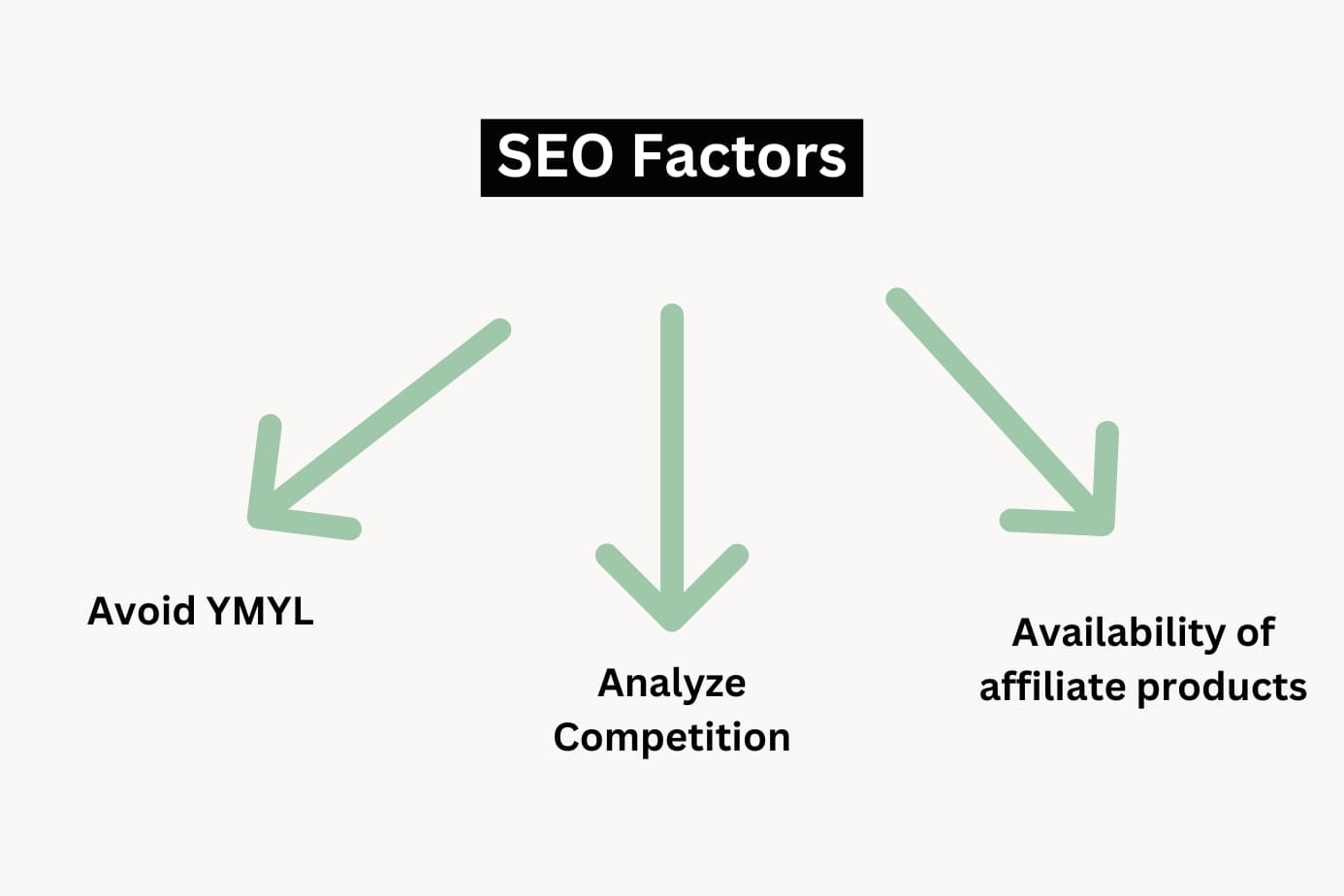
First (and this is a biggie) does the niche fall under “YMYL” (Your Money, Your Life)?
If so, proceed with caution.
Google will vet your site extra closely before allowing it to rank.
You’ll need strong professional expertise and experience in the topic (or hire a writer who does).
YMYL niches can be super tough for a newbie, so you may want to consider a different niche altogether.
Next, it’s time to check out the competition. Are there many competitors already in this niche? Google a few broad keywords and see what sort of sites are already ranking.
Lots of competitors isn’t necessarily a bad thing. It shows there’s demand for this niche. But it will be more difficult, and take longer to win.
One of the top ways to build a profitable blog is by promoting affiliate products. With that in mind, can you find any affiliate programs that include products relevant to this niche?
Check out affiliate marketplaces such as Impact Hub, Commission Junction, Awin, or Partnerize to figure this out.
To drive the right people to your affiliate pages, you’ll need to write content targeting commercial keywords.
Jump into your favorite keyword research tool and look for relevant commercial keywords for the niche.
I’d start by exploring the following keyword patterns:
- "best X for Y"
- "X review"
- "alternatives to X"
- "X vs Y"
But remember, not all of your content should be commercial.
You’ll also need a decent amount of informational content, geared towards helping your reader solve a problem.
To scope this out, look for informational keywords for this niche. My favourite pattern here is "how to do X".
Finally, how competitive are those keywords in SEO terms?
Search some of the keywords in your tool of choice and look for smaller sites (DR 50 or less) ranking in the top 10 results. If you can find some, you’ll have a chance of ranking too.
But if the results are stuffed with DR 90+ heavyweights, it means this niche might already be too competitive for a newbie.
SEO factors play a key role in niche selection. But don’t forget the human factors too.
Part 2: Personal factors in niche selection
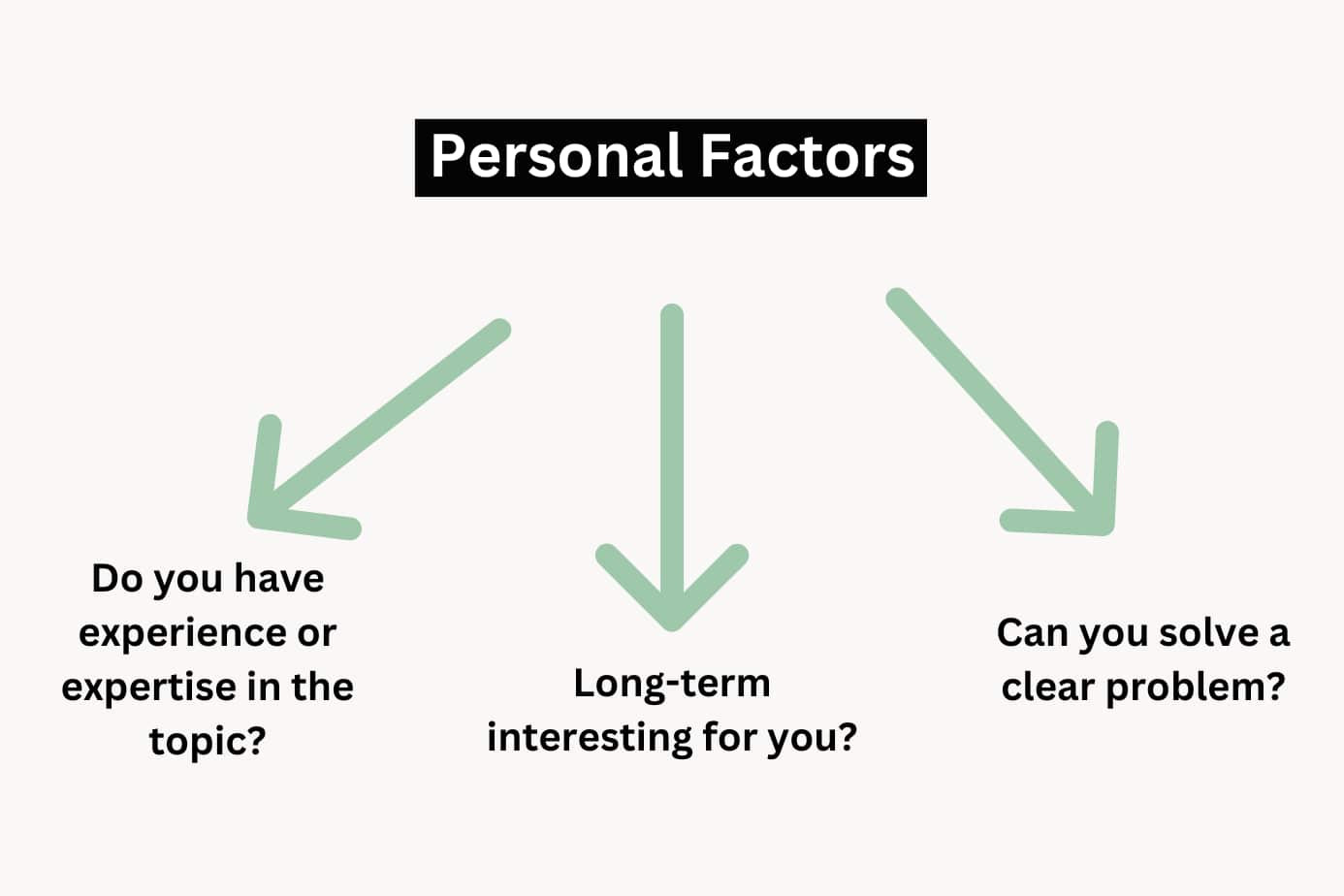
The first concern is critical – and it’s about you as the blog’s founder and main author.
Do you have personal experience and/or expertise in this niche?
By that I mean, have you done the things you’re writing about? Have you got professional qualifications or expertise in the area?
Basically, consider the core links between the blog’s main topic and you as the founder.
(This gets even more important if you answered ‘yes’ to the YMYL question above. And personal experience also speeds up writing, makes you a better editor, and helps the content deliver truly helpful insights).
Next, is there a significant problem in this niche that you can solve with your content?
For example, I founded Digital Émigré to help British readers solve the problem of losing their EU rights after Brexit.
All the topics I wrote about on the blog had some sort of link to this overarching goal (for example, getting residency visas, shipping pets to Europe, exchanging money, finding the right health insurance).
A clear pain point, combined with my personal experience in it—I’d already moved to Portugal on a mission to regain my own EU rights. I’d been through the whole process already.—was core to my blog's success.
It gave my content authenticity, and my blog a convincing mission.
Lastly, remember that longevity matters in profitable blogging.
It’s a long-term play.
So, does this potential niche capture your interest enough to write convincing content, without getting bored before you’ve had a chance to make money?
If so, you’re well on track for success.
More content on this topic:
- How to choose a profitable niche (a data-led approach by Adam Smith, with podcast).
- 5 niche blog SEO case studies and examples
- How to dominate your entire niche in SEO
- 5 guest blogging best practices